
Drywall Repair
Cracks, holes, dents, and the old patch that got filled flat and never textured back. Matching the finish is most of the work.
What a drywall crack means, and how we close it →
A lot of drywall damage looks worse than it turns out to be, and most of what we see needs one section repaired rather than a whole room.
A crack running out of the top corner of a door frame is the most common call Boerne Drywall gets, and it's usually the least serious one. That corner is the weakest point in a wall, so when a house moves a little through the year, it gives there first.
The worry we hear most is whether the whole wall has to come out, and it almost never does. We cut back to solid board, put a new piece in, then spend most of the day on the finish. The finish is what decides whether you can still find the repair afterward.
Ceilings, holes, water marks and rooms of new board are the rest of what we do. A drywall contractor in Boerne, TX ought to look at yours and say plainly whether it's a small job or a big one.
Cracks, holes, dents, and the old patch that got filled flat and never textured back. Matching the finish is most of the work.
What a drywall crack means, and how we close it →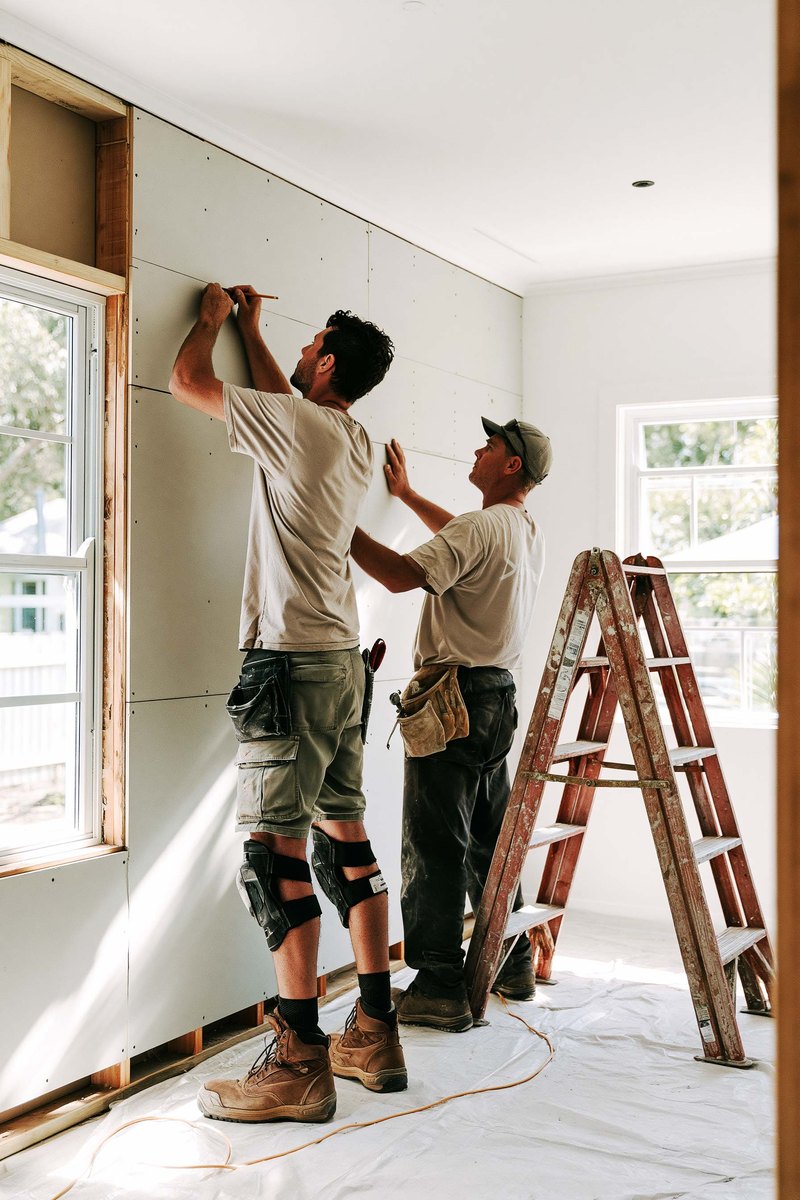
New board in a house somebody lives in: a wall that got opened up, a ceiling that came down.
New drywall in a room you already live in →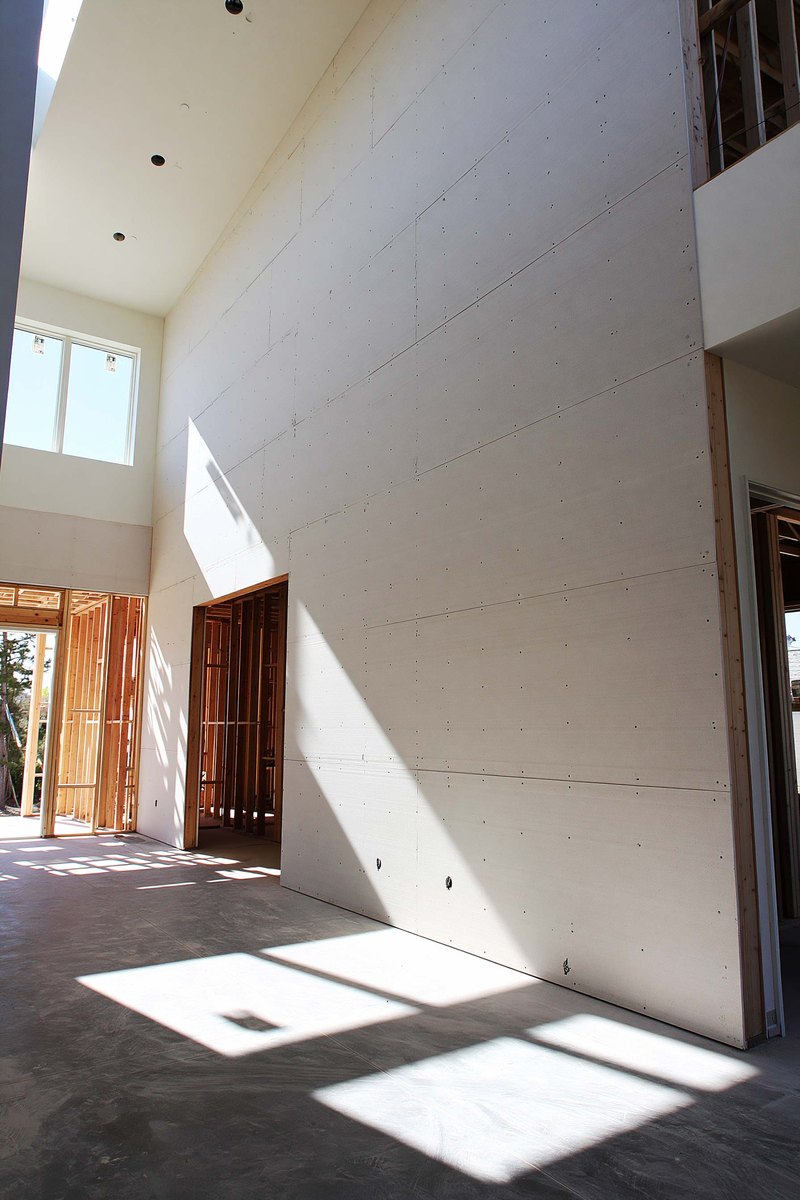
Whole houses boarded, finished and textured while they're still empty, worked around the painters and trim carpenters behind us.
Drywall on a house that's still being built →
Orange peel, knockdown, skip trowel and the smooth finishes, matched to what's on your walls or sprayed fresh onto new board.
Why Texas walls are textured, and which finish is on yours →
Scraping is the quick part. Skimming the ceiling flat underneath is where the day goes. An asbestos test comes first on an older ceiling.
What popcorn ceiling removal costs, start to finish →
A seam starting to show overhead, or a corner of the ceiling that's begun to bow. Ceilings are slower going than walls, and worth an early look.
What a sag in your drywall ceiling means →
Once the leak has been dealt with, we take out the board that got wet, put the wall back and blend the finish across it.
Putting a wall back after a leak →
Offices, shops, restaurants and the hallways in between. We work evenings and overnight so your doors open in the morning.
Commercial drywall with people still in the building →Describe it, or send a photo. Most of the time we can tell you what you're looking at and what it'll take to put it right.
We look at the damage with you and price what's actually there. Nothing gets touched until you've said yes.
We seal the doorways and cover the floors before any sanding starts, so it stays in the room we're working in.
A hard edge is what catches your eye, so we blend the finish out until there's nothing left to catch.
Furniture where it was, floors swept, and you'll know when the wall's ready for paint.
A stairwell wall, a ceiling above a landing, the corner tucked in behind a door. They take longer to get to, and we price them as part of the job.
Nearly every wall we open up in Boerne is board over studs, which is exactly what we hang, repair and finish every day. Four things turn up often enough to be worth knowing about, and each one changes the job a little. We'll show you what we find and explain what it means before you decide anything, so there are no surprises once the work is under way.
The usual one, and the easy one. We cut back to something firm, put the new piece in, and finish over the joint.
Orange peel, knockdown and skip trowel behave differently coming off a gun, so we look at your wall before we price it.
Filler with no texture over it shows up in any side light. It's usually the cheapest thing on the list.
Somebody has skinned the wall with a second layer instead of taking the first one off. It still repairs fine, and it changes how far the new piece has to be cut back.
In town, most of what we do is drywall repair. These are houses people live in, so it's one wall, one ceiling or one room at a time, worked around your furniture and finished so the room looks like itself again.
Out toward the edges of town there are new streets going in, and that's new construction drywall: whole houses boarded and finished before anybody moves in, priced by the foot. It's a different day's work and a different price, and we do plenty of both.
Then there's the commercial side: offices, shops and restaurants. That work mostly happens in the evening or overnight, because a store that's shut isn't taking money.

| The job | What it usually is | Who it's for | What determines the price |
|---|---|---|---|
| One repair | A crack, a hole or a dent in one wall | Somebody living in it | How awkward the spot is, and how far the finish blends |
| A room | A ceiling taken down and put back, or a wall opened up | A homeowner, or whoever is doing the work | How much board goes up, and how smooth you want it |
| A whole house | Every wall and ceiling boarded, taped, finished and textured | A house being built, or one taken back to studs | Floor area, ceiling height and the finish |
| A commercial space | An office, a store, a restaurant, a shared hallway | Whoever looks after the building | When we can work, and how long you're shut |
Most of what we do is one repair or one room. If yours isn't on that list, describe it to us.
Call and describe it, or send a photo with something beside it for scale. That's usually enough to say whether it's drywall work.
We measure, work out what's involved and give you the price. If it doesn't suit you, that's a perfectly fine answer.
When it's finished we walk the room with you and look along the walls, so you can see how the repair sits.
If you look after a rental in Boerne, send the whole list at once instead of booking things one by one. Picture hooks in two bedrooms, the corner a sofa caught, a mark on the hallway ceiling: that's one visit and one price. If you look after several places between Boerne and Bulverde, we'll walk them with you and price the whole list at once.
830-357-7353

Big lots under heavy live oak, with the houses set well back off the road. Cracks, ceilings and texture are the usual calls out there.
A private development rather than a city, with one-off houses set a long way apart on rock. The finish standard is high and we match it.
Limestone and timber along High Street, and drywall in the houses around it. A crack or a ceiling out there is the same job it is in Boerne, and we make the drive.
Wooded acre lots on the Bexar County side, some behind the gate and plenty that aren't. Tell us what's happened to the wall and we'll go from there.
Comal County, where the old dry-laid rock fences still run along the property lines. Mostly repairs and room work in houses people already live in.
Up the valley road along Sister Creek. Small jobs mostly: a crack here, a ceiling there, finished so they stop showing.
Cost usually comes first, so these carry real figures. There are more on the FAQ page.
One patch or hole, textured to match and ready for paint, is $250 to $500. A spot that's awkward to get at costs more than one at chest height, and so does a repair that has to blend a long way past the damage. If you have several waiting, one visit costs less than booking them one at a time.
Hung, taped and finished, $1.75 to $3 per square foot is the working range, and a straightforward room in Boerne usually lands at $2.25 to $2.75. Ceiling height moves you inside that band and so does the finish you choose. A room with a lot of doors and windows to cut around takes longer.
A 1,500 square foot house, boarded, taped and finished throughout, runs $8,000 to $20,000. At 2,000 square feet it's $10,500 to $27,000, and most land between $13,000 and $18,000. Floor area is how you measure a house, but the walls and ceilings we're boarding come to three or four and a half times that.
Yes, for plenty of jobs, and we'll say so when yours is one of them. Filling a hole in the garage, or tidying a room up before you repaint it, is work a good handyman does well and bills at a lower rate.
The finish is where it changes. If your walls carry a sprayed texture, matching it so the repair stops showing is a different skill from filling the hole. It's also why a drywall contractor costs more by the hour. If it's a wall you walk past all day, that difference is usually worth paying for.
Hanging and finishing a whole house is around five to twelve days of work. Call it a week if yours is around 1,500 square feet, and a week to a week and a half at 2,000. A smaller house isn't much quicker than a big one, because the compound needs a night to dry between coats however much wall you have.
A single repair is a different scale altogether. That's an hour or two of actual work, usually split across two short visits so each coat has time to dry before the next one goes on.

Describe the wall to us or send a photo. Or call 830-357-7353 instead.